

Northern Colorado’s Top Spring Wild Herbs: Safe Benefits and Simple Daily Use
Northern Colorado’s spring wild herbs offer more than just fresh greenery—they bring gentle support for your energy, mood, digestion, and calm. Learning to identify these plants safely, like stinging nettle or yarrow, helps you build simple, daily rituals that may improve how you feel. This guide walks you through key herbs, clear harvesting tips, and practical ways to add them to your wellness routine with confidence. Take the next step: save our free checklist and join a local plant walk or workshop to deepen your connection. For more insights, visit this guide on Colorado edible wild plants.
Identifying Northern Colorado Spring Herbs
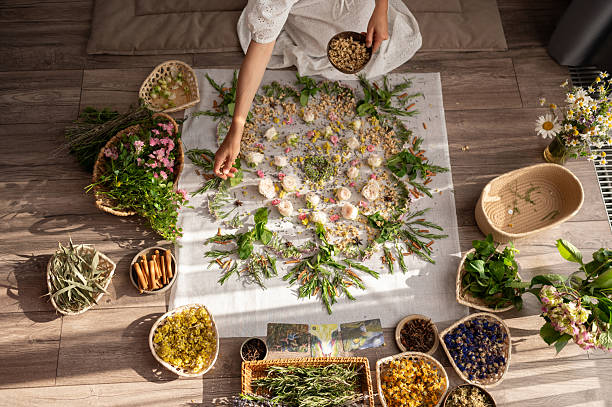
Spring in Northern Colorado brings a bounty of wild herbs perfect for natural wellness. Here’s how to identify and use these treasures.
Stinging Nettle Benefits
Stinging nettle, often considered a pesky weed, is a powerhouse of nutrients. Packed with iron, it supports your energy levels and combats fatigue. Imagine sipping nettle tea, boosting your day with each cup.
Rich in vitamins A and C, stinging nettle benefits your immune system and skin health. It also provides anti-inflammatory properties, soothing joint pain. A simple nettle infusion can ease discomfort and promote overall wellness. Curious about more ways to incorporate nettle into your diet? Explore this guide on edible plants.
Dandelion Leaf and Root Uses
Dandelions are more than lawn invaders. Their leaves support digestion, acting as a gentle diuretic to reduce bloating. Use fresh or dried leaves in salads or teas to enjoy these benefits.
The roots of dandelions help detoxify the liver. A roasted root tea offers a coffee-like flavor without caffeine, supporting your liver’s natural detox process. Embrace the simplicity of incorporating dandelion into your routine.
Yarrow First Aid Colorado
Yarrow is a must-have in your natural first aid kit. Its leaves and flowers help stop bleeding and promote healing, making it ideal for minor cuts. Apply yarrow directly to wounds for quick relief.
Beyond first aid, yarrow supports the digestive system and can alleviate symptoms of colds and fevers. Brew a yarrow tea for soothing effects. For more on plant-based healing, check out these wild healing secrets.
Safe Foraging and Preparation Tips
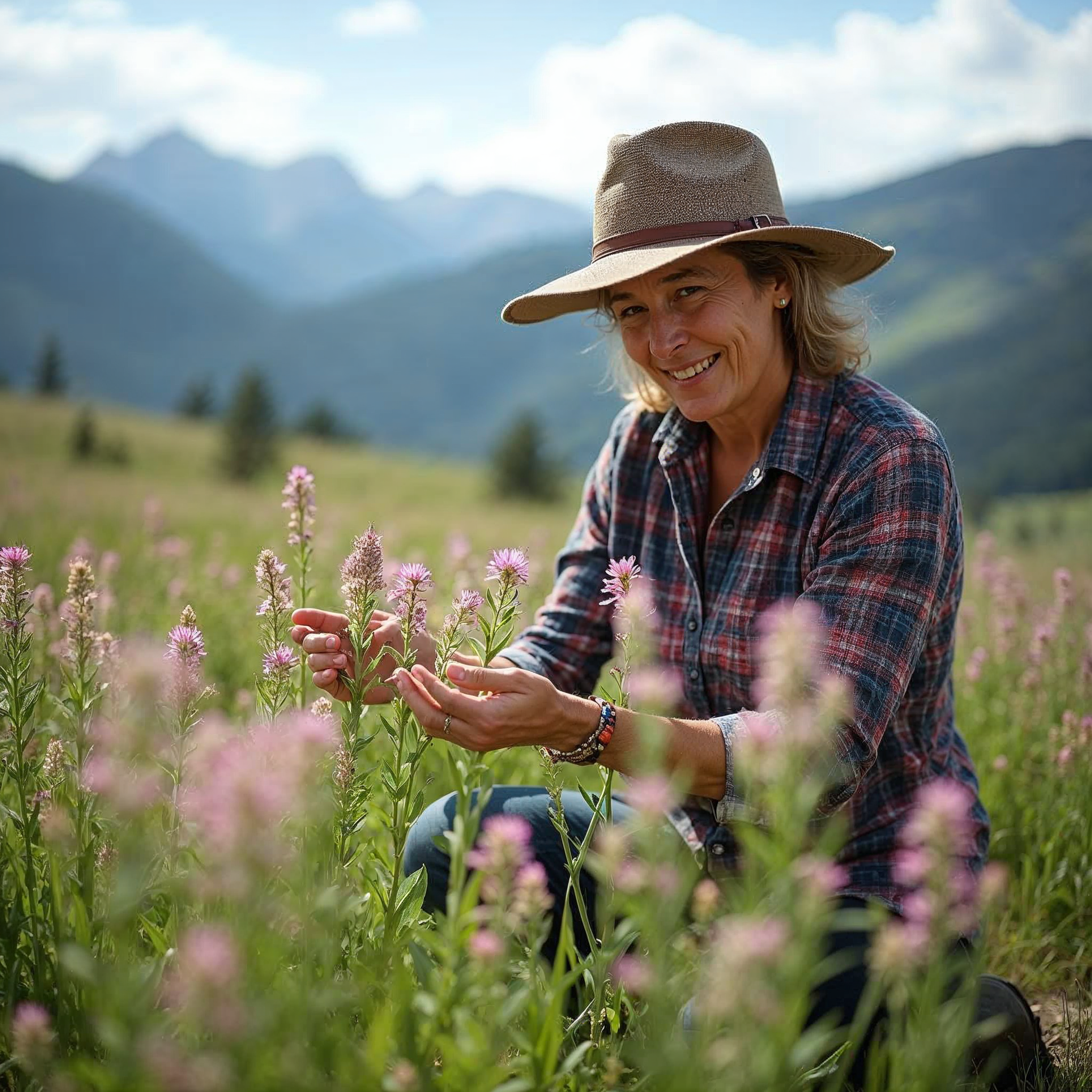
Gathering herbs from the wild is rewarding, but safety and sustainability come first. Here’s how to ensure a responsible harvest.
Sustainable Harvesting Guidelines
Harvest wild herbs with care to protect the environment. Take only what you need, usually no more than one-third of a plant. This practice ensures plants can regenerate and thrive. Always seek permission if on private land and follow local guidelines. Find more sustainable practices here.
Safe Herb Foraging Tips
Know your plants before you forage. Misidentification can lead to using harmful plants. Use a field guide or attend a foraging class to boost your knowledge. Remember, when in doubt, leave it out. For comprehensive tips, visit this spring foraging guide.
Pine Needle Tea Benefits
Pine needles are more than just forest decorations. They make a refreshing tea rich in vitamin C, supporting immune health. Gather fresh needles, steep them, and enjoy a citrusy beverage that warms you from the inside out.
Pine needle tea also offers respiratory support, helping clear congestion. A simple cup can be a soothing way to enjoy nature’s bounty and feel revitalized.
Building a Seasonal Wellness Routine
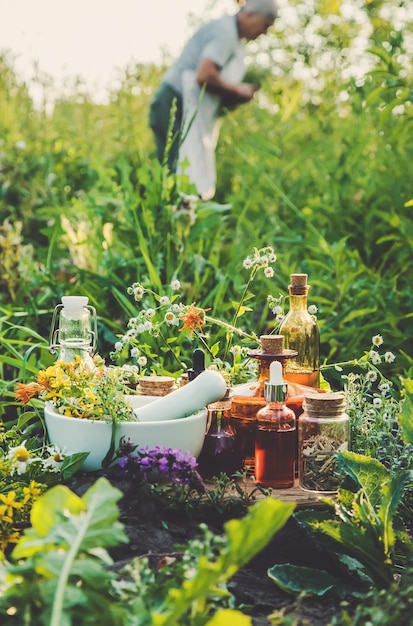
Incorporating herbs into your daily life enhances wellness and connects you to nature’s rhythms. Here’s how to start.
Cleavers Lymph Support
Cleavers are tiny but mighty, supporting your lymphatic system. They may help cleanse your body by promoting lymph flow. Add cleavers to your herbal teas or tinctures for a gentle detox.
This herb can be a crucial part of your seasonal cleanse, offering a refreshing way to support your body’s natural processes. As Rumi said, “Let the beauty we love be what we do.”
Chickweed Skin Support
Chickweed’s soothing properties make it a favorite for skin care. Use it in salves or oils to relieve dryness and irritation. This herb’s gentle touch calms your skin, leaving it soft and nourished.
Chickweed is also edible. Add fresh leaves to salads for a nutritious boost. Its versatility makes it an easy addition to your wellness routine.
Simple Daily Herbal Practices 🌿
Start with easy, daily habits to bring herbal benefits into your life. Brew a herbal tea each morning or include fresh herbs in your meals. These small steps build a foundation for lasting wellness.
Consider guided walks or workshops to deepen your learning and connection to the plants. Remember, the path to wellness is a journey, and each step brings you closer to nature’s healing embrace.
Engage with local plant communities, and discover how herbal practices enhance your day. Feel the shift in your energy and mood as you embrace these natural allies.