

This time of year, most of my plant friends are slumbering for the winter. But Colorado has some of the most beautiful winter landscapes and medicine in the winter months. Pine! My family has spent the last 9ish years wandering and hiking through the Larimer County Parks and the Rocky Mountain National Park. Ponderosa Pine and Fir species abound.
Pine trees are conifer or evergreen trees within the Pinus genus. You probably have pine growing near you, as there are at least 126 recognized species of pine trees across the globe. You might even rely on pine wood to keep our cabin warm. While the softwood isn’t ideal for burning, some use it mixed in with Douglas fir in a woodstove.
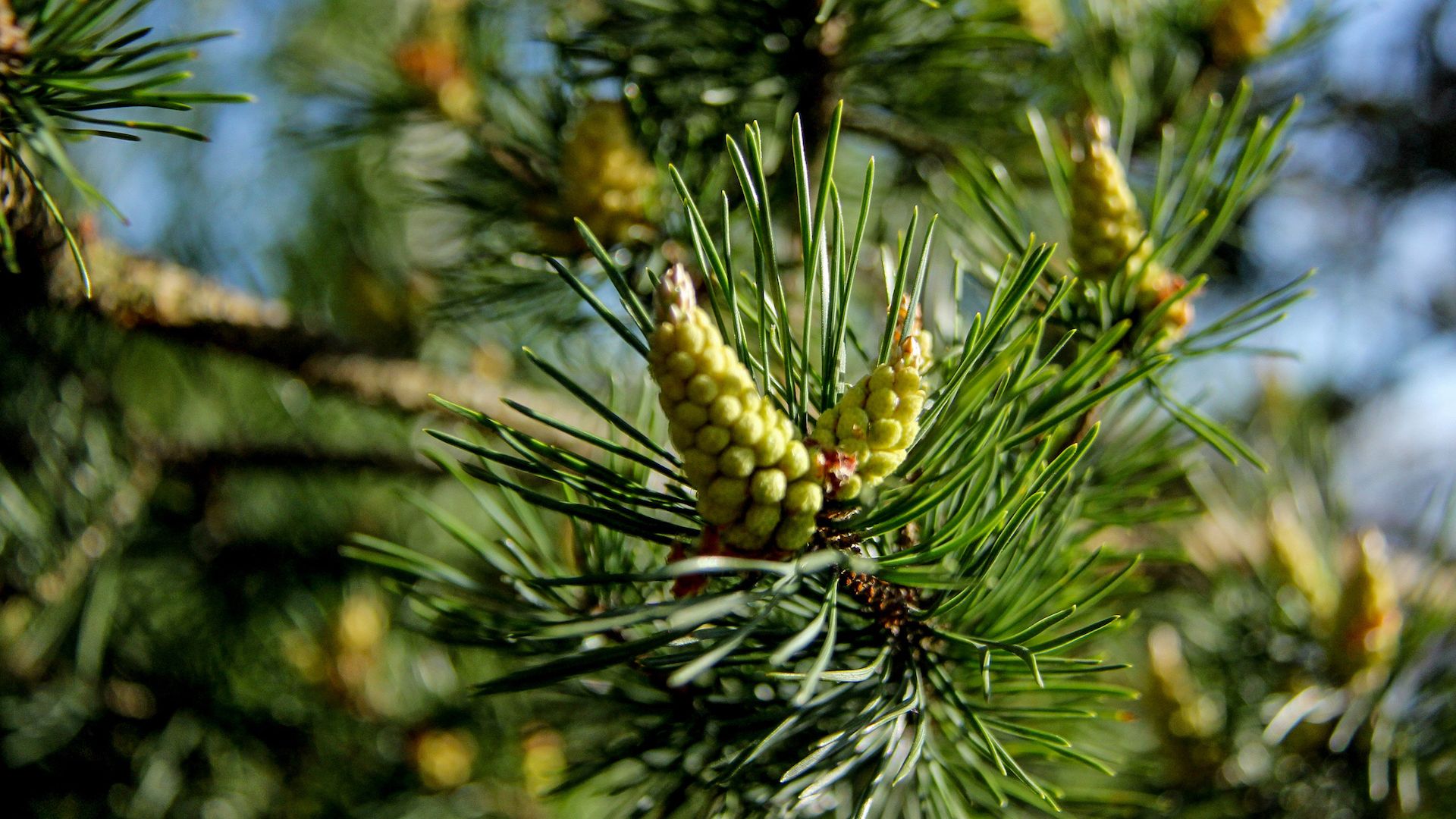
Pine gives us many gifts beyond its timber. The needles, pine resin, bark, and pollen are potent herbal medicines. While towering pine trees are not often thought of as herbs, they are a powerful plant medicine.
Pine trees can live for hundreds or even thousands of years. One of the world’s oldest living organisms is a bristlecone pine tree (Pinus longaeva) called Methuselah, which is 4,600 years old.
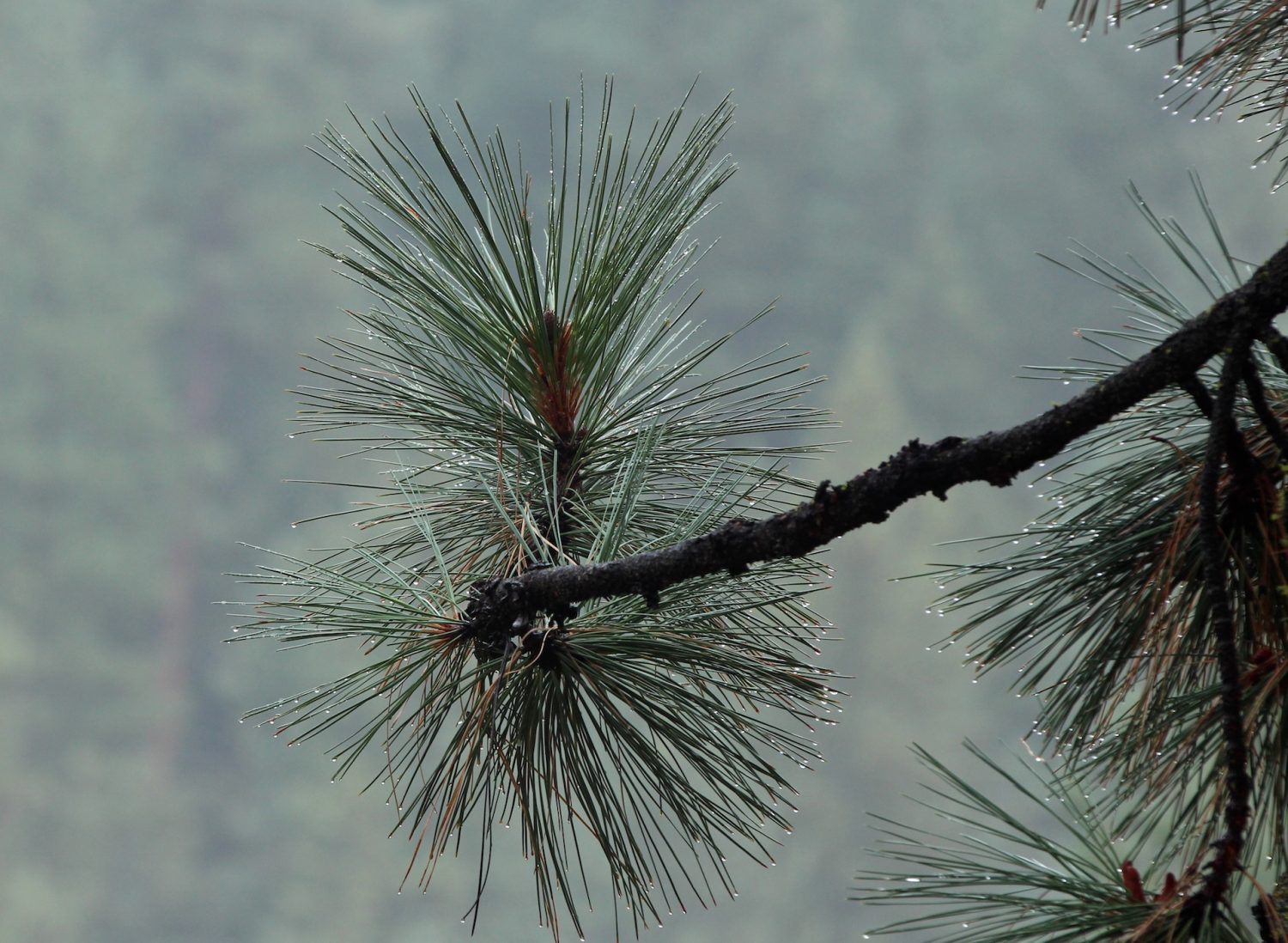
Pine Needles as Food and Medicine
Have you nibbled on a pine needle? It has a surprising taste. Resinous with a touch of bitter, but the most potent flavor that initially presents on the tongue is the tart/sour taste, indicating high vitamin C levels. Per gram, pine needles have more vitamin C than an orange. The young needles have less than the older needles, although the younger needles make a tastier tea. To get the most vitamin C from pine needles, eat them raw or infuse them into honey or cold water. Making a hot tea from pine needles does destroy some of the vitamin C, but some remains in the warm brew.
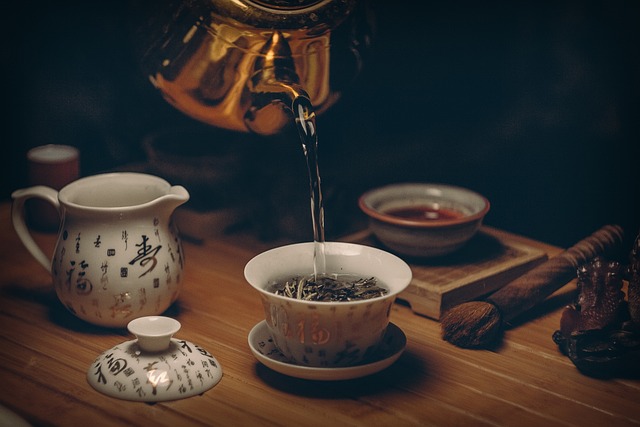
A simple pine needle tea is a delicious beverage and something that can be enjoyed anytime by a healthy person. I love sipping on pine needle tea, knowing that I am tasting the forest around me. Is Pondarosa Pine safe to ingest? If you look on the internet, there is a plethora of warnings. From what I can tell, the source of this information comes from a study on cattle that were over-grazing on ponderosa pine and aborting their unborn calves. So the safety precautions for pregnancy have been restated over and over again online and in books. I think it could be a safe suggestion to avoid consuming large amounts of pine needle tea during pregnancy. I do want to say that indigenous peoples have been consuming this tea with no issues, and there has never been a replicated study in humans or other animals.
There are also several ways pine needle tea can be helpful during a cold or the influenza virus.
Simmering pine needles (decoction), rather than simply steeping in hot water, pulls out more of the resinous and pungent qualities. In this form, the medicine becomes a stimulating expectorant and diaphoretic. It’s great for congested mucus in the lungs and sinuses. For best results, breathe the steam deeply as you drink. Pine needles are also soothing to a sore throat, either as a hot beverage or infused into honey.
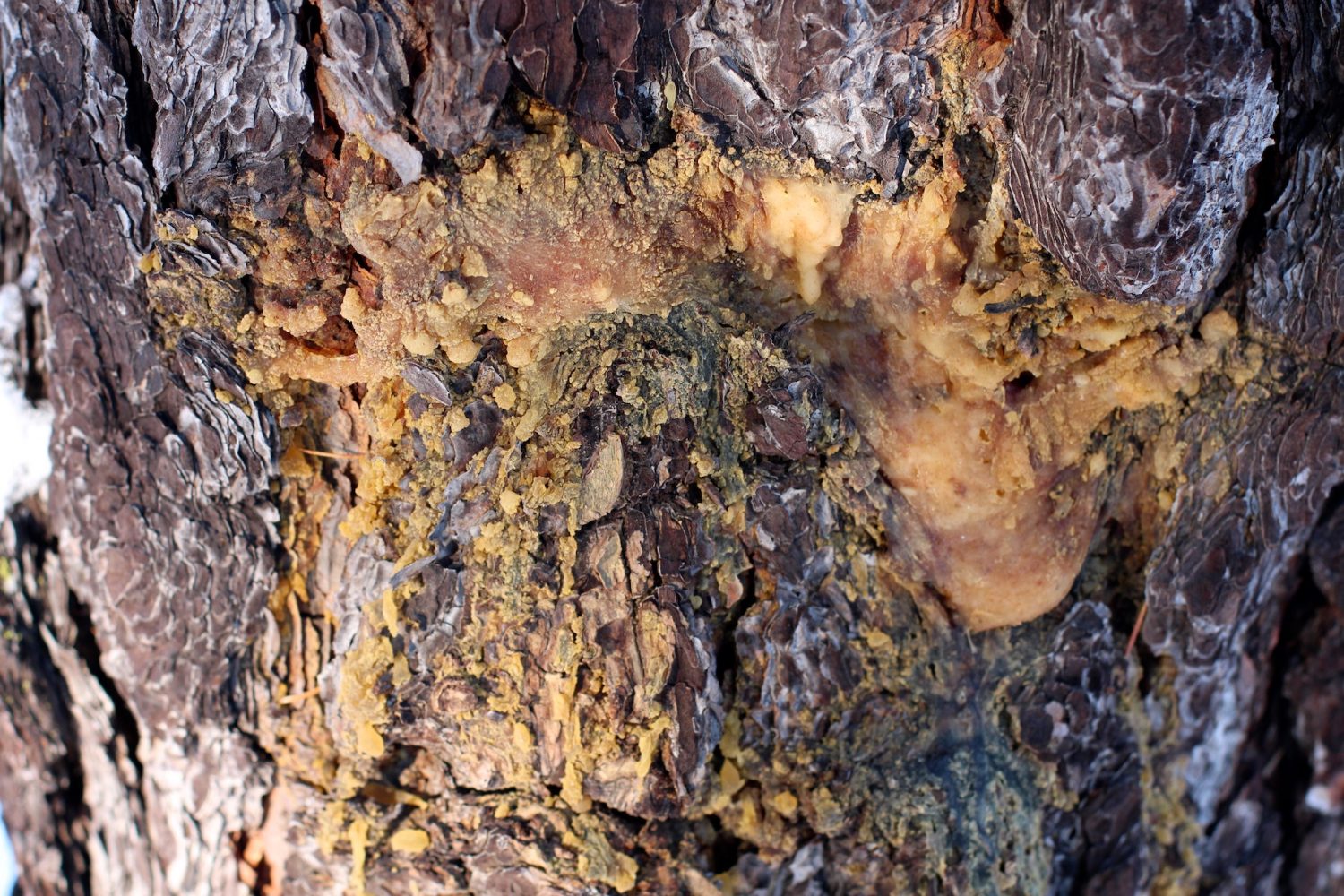
Pine Resin as Medicine and Tools
When a pine tree is injured, it exudes a thick, sticky, and resinous substance. This pine resin forms a protective layer across the bark, helps to repel or trap boring insects, and is also antimicrobial, thus further protecting the tree from pathogens. Because it is high in volatile terpenes and nearly solid, pine resin needs to be extracted in oil or in high-proof alcohol. It can also be chewed, although this is a fairly sticky mess and may be difficult to remove from your teeth. A salve made from pine resin can be rubbed over the chest and back to relieve lung congestion. One of my favorite things about pine resin is the warming action on skin after extreme cold and even frostbite. Nature is amazing. In a region where frostbite can be a real possibility, our medicine to keep your fingers and toes is right here.
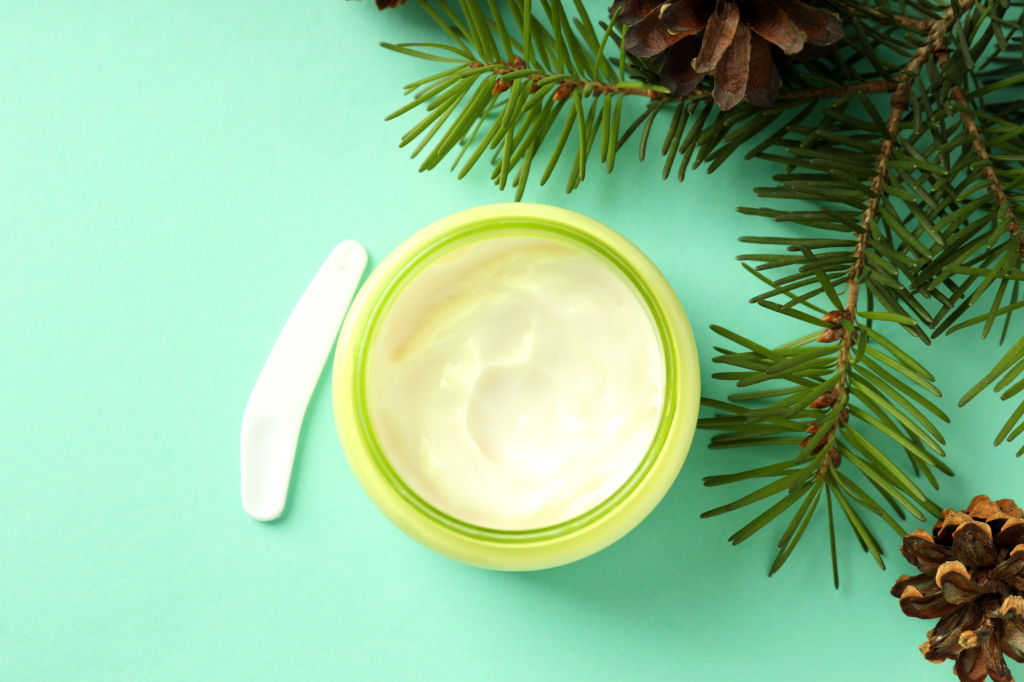
This homemade body butter makes a great holiday gift!
You can use practically any evergreen needles (leaves) for this body butter, with a few cautions. While most evergreen needles are safe to use, the needles from the yew tree (Taxus spp.) are not. Be sure to know the identity of the tree where you are harvesting your needles to make sure they are safe. If you would like to use the needles from your Christmas tree or holiday wreath, check with your supplier to make sure the trees or boughs weren’t sprayed with any harmful chemicals or colorings. Sucks we have to worry about that!
This body butter recipe calls for both infused evergreen oil and fir needle essential oil. These are two different preparations with different benefits. By infusing the needles into a carrier oil, you extract many of their antioxidant properties, while also extracting a mild scent. If you would like your body butter to smell strongly of evergreen, then I recommend adding the essential oil as well.
You can use any carrier oil to infuse your needles. I prefer jojoba or apricot because it is soft and shelf-stable. Olive oil can also be used, but it may be a bit heavy and leave more of a greasy residue on the skin.
The mango, shea, or my favorite cocoa butters are hard butters. To accurately measure them, I recommend weighing them with a kitchen scale. Or eyeball it as I do and hope for the best 😉
Evergreen Homemade Body Butter Recipe
What you’ll need…
- 3/4 cup carrier oil (jojoba or apricot kernel oil, etc.)
- 1 cup fresh evergreen needles, chopped finely
- 100 grams shea butter
- 100 grams mango butter
- 1 teaspoon rosemary antioxidant extract (optional, has preservative action)
- 40 drops fir needle essential oil (optional)
- 10 drops clary sage essential oil (optional)

Place the carrier oil and evergreen needles into the top of a double boiler or into a metal bowl perched atop a small saucepan. Place a few inches of water into the bottom half of the double boiler or saucepan, or crockpot.
Heat the ingredients until they are fairly warm to the touch. Turn off the heat and let it stand. Every couple of hours, reheat the oil, and then let it stand. Continue this for 24 to 48 hours. Be sure to heat the oil slowly and avoid letting the temperature get overly hot.
Strain off the evergreen needles from the warm oil using a fine mesh strainer or cheesecloth. Compost the needles. The oil should have a light citrusy evergreen scent. You will need 1/2 cup of the oil for this recipe. Any extra oil can be used as a simple body oil or for another recipe.
Add 1/2 cup of the infused evergreen oil and the optional rosemary antioxidant extract and essential oils. Stir well.
Set aside in a cool location until the mixture begins to harden and looks opaque. Don’t let it get too hard.
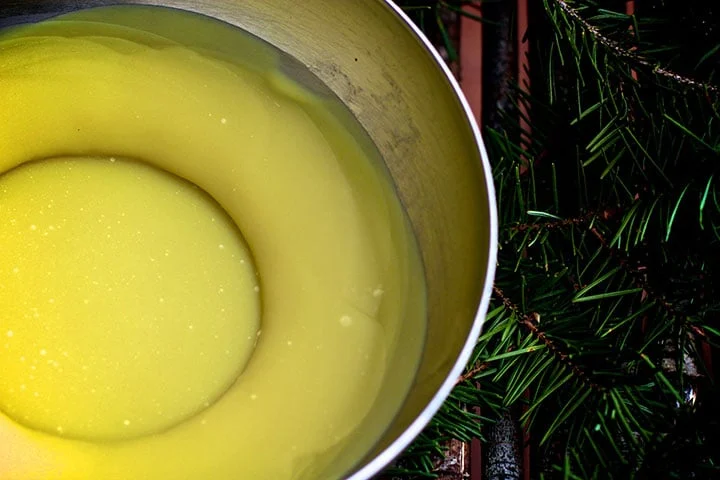
Whip the mixture vigorously using a cake mixer, immersion wand, or other immersion-type blender. It should be light and fluffy when done.
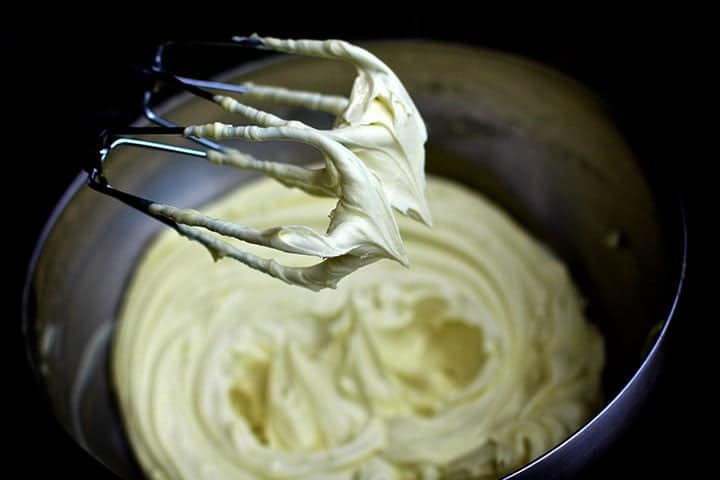
Transfer the mixture to jars. Store in a cool place. If it gets too warm the mixture will decrease in volume but will still be fine to use.
Yields: Approximately 2 cups.
You can also just make this as a body oil.
Pine Needle Body Oil Recipe
Ingredients
- 1 cup fresh pine needles (Eastern White Pine or another safe species — avoid toxic varieties like Ponderosa, Norfolk Island Pine, or Yew)
- 1 cup carrier oil
Instructions
- Prepare the needles
- Rinse gently to remove dust.
- Pat dry thoroughly.
- Chop or bruise the needles to release their aromatic compounds.
- Infuse the oil
- Place the needles in a clean, dry glass jar.
- Pour the carrier oil over them until fully submerged.
- Seal the jar tightly.
- Let sit for at least 6 weeks.
- Warm infusion method (faster)
- Place the jar in a warm spot (like near a sunny window) for 1–2 weeks.
- Shake gently every day.
- After infusion, strain the oil through cheesecloth or a fine strainer.
- Transfer to a dark glass bottle to preserve freshness.
- Store in a cool, dark place. Shelf life: ~6 months.
- You can add essential oils if desired. But this oil is pretty fantastic on its own.

The Wisdom of the Pines
When I stand among the pines, I feel their quiet strength reaching skyward, each needle shimmering with light. They remind me that healing is not hurried — it is a slow unfurling, like branches stretching toward the sun.
The pines whisper: pause, breathe, bow often. Their presence teaches that nourishment comes not only from what we consume, but from how we dwell in the world. Just as their resin protects, their shade cools, and their scent clears the mind, so too can we offer protection, comfort, and clarity to those around us.
Mary Oliver Quote: “You too have come into the world to do this, to go easy, to be filled with light, and to shine.” The pine tree becomes a living teacher — showing us that resilience and gentleness can coexist, that rootedness and expansion are partners in growth.

“May this season find you rooted in peace, reaching toward light, and wrapped in evergreen wellness. Like the pine, may your spirit stay resilient and your days fragrant with joy.
Happiness and Health,
Chrystal Cocek
Integrated Earth Medicine
Loveland, CO