
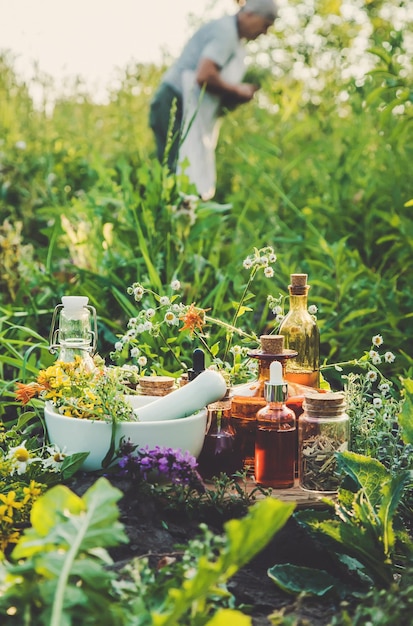
Northern Colorado’s Spring Botanicals: A Safe Forager’s Guide to Nature’s Medicine Cabinet
Northern Colorado’s spring botanicals hold quiet treasures often missed by most foragers. You might recognize common plants, but this season brings lesser-known herbs that support your nervous system, mood, and energy in gentle, natural ways. This Colorado foraging guide walks you through safe plant ID steps with clear visuals and practical tips, so you can gather with confidence and care. As John Muir said, “In every walk with nature one receives far more than he seeks.” Ready to find what’s waiting just beneath the surface?
Safe Plant Identification Steps
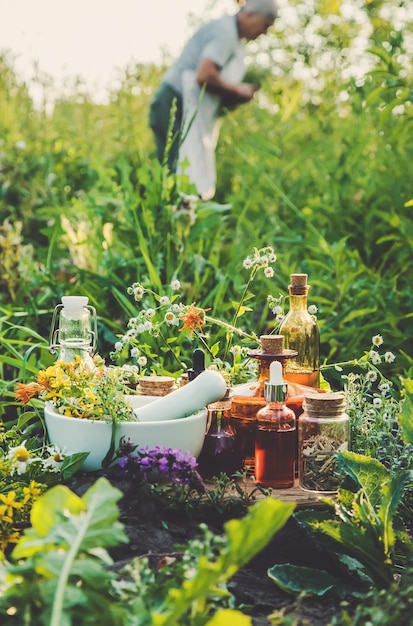
Venturing into the wild requires knowing how to spot the right plants. Let’s dive into the fundamentals of safe plant identification, ensuring you gather with certainty.
Recognizing Local Herbs
Start your journey by familiarizing yourself with local herbs. Spring in Northern Colorado unveils unique plants perfect for beginner foragers. Dandelion, for instance, often seen as just a weed, offers a bounty of nutrients. Its bright yellow flowers make it easy to spot. Use it to create teas or salads that boost your health naturally. Chickweed is another common find. Recognize it by its star-shaped white flowers. It can be used in soups or as a salad addition. This tiny plant is packed with vitamin C and supports digestion.
Knowledge is power, especially in foraging. A reliable field guide can serve as your companion, offering images and descriptions to aid your discoveries. Always double-check your finds before consuming them.
Avoiding Toxic Look-Alikes
Staying safe means knowing what to avoid. Some benign-looking plants have dangerous doppelgängers. For instance, Queen Anne’s Lace resembles the toxic Water Hemlock. Both have similar white flowers, but Queen Anne’s Lace has a hairy stem while Water Hemlock’s is smooth. Look closer before picking.
Another tricky pair is Wild Carrot and Poison Hemlock. Their leaves and flowers look alike, but Wild Carrot has a distinct carroty smell. Always trust your senses; if unsure, leave it. This caution ensures that your foraging remains a safe and rewarding experience.
Ethical Wildcrafting Practices

Foraging is not just about collection but also about respect. Ethical wildcrafting ensures that the environment thrives even as you gather its gifts.
Sustainable Harvest Techniques
Every responsible forager should master sustainable harvest techniques. The golden rule: take only what you need. This means leaving more than two-thirds of any plant behind, ensuring it grows back stronger. When collecting, use scissors or knives to avoid damaging roots. This simple step keeps plants alive and healthy.
Want to preserve nature’s balance? Rotate your gathering spots. This prevents overharvesting and encourages a diverse plant population. By following these methods, you not only enjoy nature’s bounty but also safeguard it for future explorers.
Respecting Natural Habitats
Being a conscientious forager means respecting natural habitats. Stick to trails to avoid harming underbrush or disturbing wildlife. Remember, every step you take impacts the ecosystem.
Keep an eye out for signs of animal activity. If you spot nests or burrows, steer clear to avoid disrupting their homes. These small actions make a big difference. Your awareness protects the delicate balance of these natural spaces, ensuring that both plant and animal life can flourish.
Practical Uses of Spring Herbs
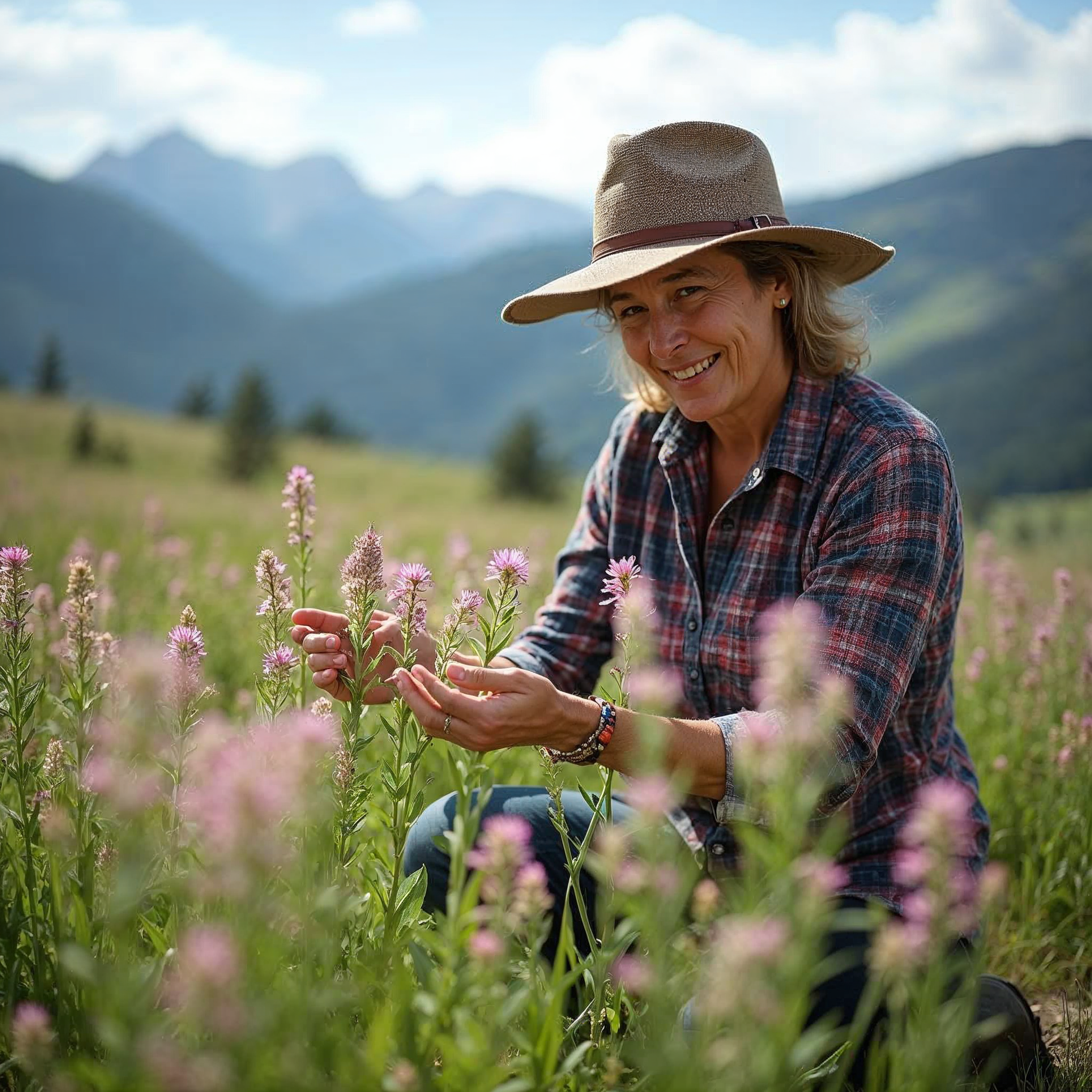
Once you’ve gathered your spring herbs, it’s time to explore their practical uses. These plants can easily become part of your daily wellness routine.
Simple At-Home Preparations
Bringing nature into your home is simpler than you think. Start with a soothing herbal tea. Boil fresh dandelion leaves for a refreshing drink that aids digestion. Another easy preparation is an infused oil. Use chickweed to create a skin-soothing oil. Simply steep the leaves in olive oil under the sun for a few weeks. This oil can be applied to minor cuts or dry skin.
Feel more adventurous? Try making a herbal tincture. Combine your chosen herb with alcohol, letting it sit for several weeks. A few drops can then be used to support your health. These small steps make the benefits of foraging an everyday experience.
Herbal Benefits for Daily Life 🌿✨
Incorporating herbs into daily life offers numerous benefits. A simple chamomile tea before bed can improve sleep quality. This gentle herb calms the mind, helping you unwind. Interested in boosting your energy? Nettle is your ally. Rich in iron, it supports vitality and focus. Add it to smoothies or soups for a nutritional boost.
Including herbs in your routine creates a natural balance. Most people think they need complex routines for wellness, but simple herbal additions often provide the support they seek. Embrace these practices and watch your quality of life improve, one day at a time.
By exploring these steps and practices, you’re well on your way to becoming a confident and responsible forager. Remember, the journey is as enriching as the destination. Happy foraging!