
Calm, Clear, Steady: A Beginner’s Guide to Personalized Herbal Formulas for Stress and Mood Support
Stress and mood swings can sneak up on you, leaving you wired but exhausted. Personalized herbalism offers a gentle way to support your nervous system with herbs chosen just for your unique patterns. This beginner herbal guide breaks down how to craft calming tea blends and custom herbal formulas for stress that fit your daily routine without overwhelm. Ready to find herbs like oat straw or lemon balm that may help you feel steadier? Explore more here.
Introduction to Personalized Herbalism
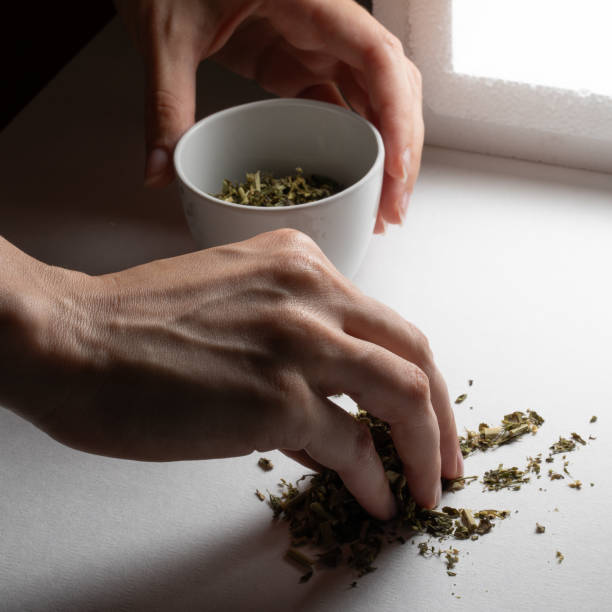
Feeling overwhelmed or moody? Discover how herbs can help. Learn to craft personalized blends that support your well-being. Dive into a world where nature meets daily life, offering simple herbal solutions tailored for you.
Understanding Herbal Formulas for Stress
Herbs have been used for stress relief for centuries. But what makes them effective? It’s all about finding the right combination that suits your needs. By selecting herbs that work for your unique stress patterns, you can create a blend that calms your mind and body. Imagine sipping a calming tea blend after a long day and feeling the tension melt away.
Start by exploring herbs known for their calming properties, such as chamomile or lemon balm. These herbs are gentle yet effective, making them perfect for beginners. For those curious about deeper relaxation, consider herbs like passionflower. Remember, the goal is to create a formula that fits seamlessly into your routine.
Exploring Mood Support Herbs
Mood support herbs can bring back balance and joy. Herbs like oat straw and St. John’s Wort are known to uplift spirits and enhance mood. They work by gently nourishing your nervous system, offering a natural way to stabilize emotional swings.
Consider oat straw benefits: it strengthens the nervous system and supports overall well-being. Using herbs in your daily routine can act as a gentle reminder that nature’s solutions are at your fingertips. As you explore these options, you’ll find that herbs like these not only help in times of need but also contribute to long-term emotional balance.
Key Herb Categories
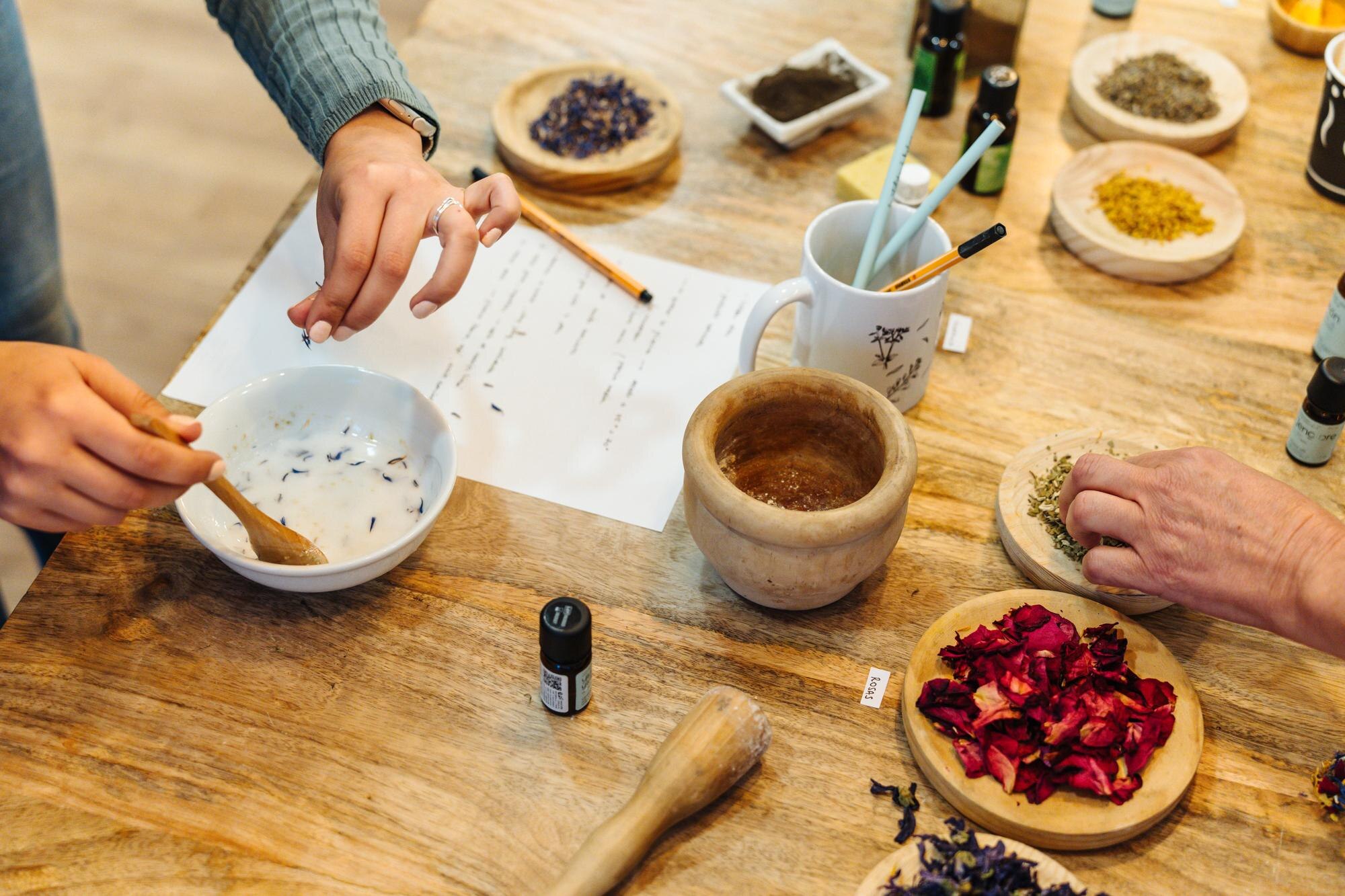
Herbs fall into different categories based on their effects. Understanding these can help you choose the right ones.
Nervine Herbs and Their Benefits
Nervine herbs support the nervous system. They can calm frazzled nerves and promote relaxation. Skullcap for tension is a popular choice, known to ease nervous tension and promote a sense of calm. Other nervines like valerian root are also effective for those seeking deeper relaxation.
Nervines are easy to incorporate into your life. A simple tea or tincture can be your go-to remedy during stressful times. These herbs are gentle enough for regular use, making them perfect for daily support. By understanding and using nervine herbs, you can create a peaceful state of mind that helps you face daily challenges with ease.
Adaptogens for Stress Relief
Adaptogens are herbs that help your body adapt to stress. They boost resilience and balance your stress response. Ashwagandha is a well-known adaptogen that can help manage stress while providing energy and focus. Another favorite is Rhodiola, which supports mental clarity and endurance.
Using adaptogens regularly can lead to noticeable improvements in how you handle stress. Imagine feeling less overwhelmed and more in control. Adaptogens are safe for long-term use, making them a reliable addition to your wellness routine. As you explore these herbs, you’ll find that they not only help during stressful times but also build resilience for the future.
Trophorestoratives: Building Resilience
Trophorestoratives are a unique class of herbs that restore and nourish the body. Reishi for resilience is a great example. Known for its immune-boosting properties, Reishi supports overall health and vitality. These herbs work by replenishing depleted energy reserves and promoting balance.
Incorporating trophorestoratives into your routine is like giving your body a gentle tune-up. They help you feel more grounded and energized. By using these herbs, you create a foundation of health that supports you through life’s ups and downs.
Crafting Your Custom Herbal Formula
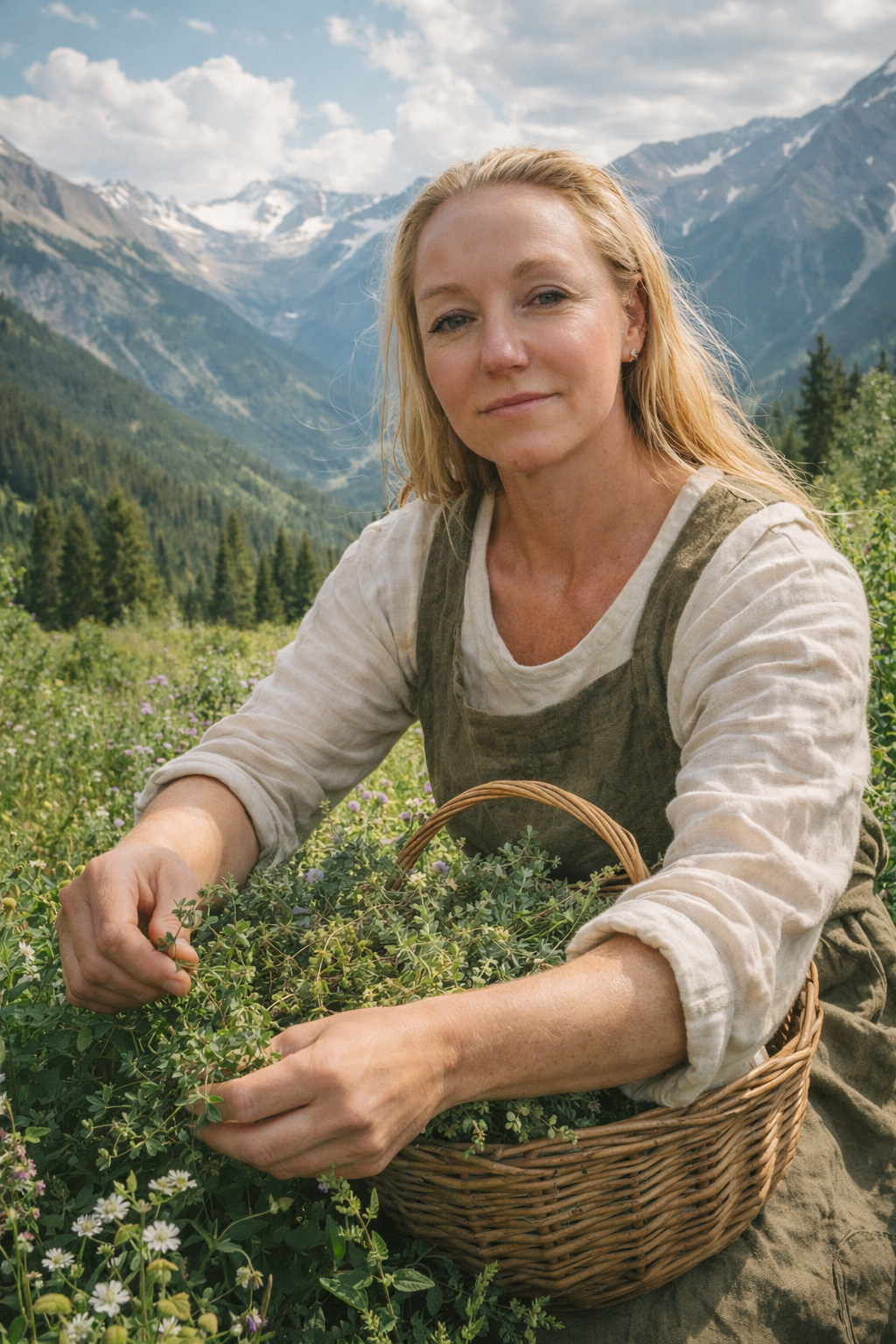
Creating your herbal formula can be a rewarding experience. It allows you to tailor support to your unique needs.
Starter Blends and Safe Ranges
Begin with simple blends. Combine nervine herbs like chamomile with adaptogens such as ashwagandha. This combination can provide both calming and energizing effects. Ensure you use herbs within safe ranges. A typical starting point is one teaspoon of dried herb per cup of water for teas.
Experiment with different combinations to find what works best for you. Keep in mind that some herbs, like St. John’s Wort, may interact with medications, so it’s always best to consult a healthcare provider if you’re unsure.
Easy Preparation Methods: Tea and Tinctures
Preparing herbal remedies is simple. For teas, steep your chosen herbs in hot water for 5-10 minutes. This method is quick and provides immediate effects. Tinctures, on the other hand, are alcohol-based extracts that offer convenience and potency. They are perfect for people on the go.
Both methods have their benefits, so choose what fits your lifestyle. Herbal teas can be a soothing ritual, while tinctures offer a quick and easy way to incorporate herbs into your day.
Tracking Your Herbal Routine
To get the most out of your herbal routine, track your experience. Keep a journal of which herbs you use and how they make you feel. This helps you understand what works best for your body. Over time, you’ll notice patterns and make informed decisions about which herbs to include in your routine.
Consistency is key to seeing results. By keeping track of your herbal journey, you can adjust your formulas and routines to suit your evolving needs. This approach ensures you get the most benefit from the herbs you choose.
Embrace the world of personalized herbalism, and discover a path to stress relief and mood support that is uniquely yours.